AC DC Electric Brake Motor Manufacturer In Mangalore
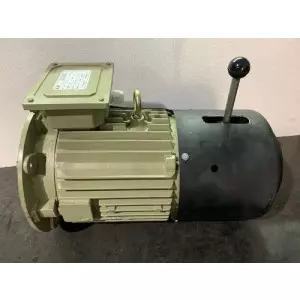
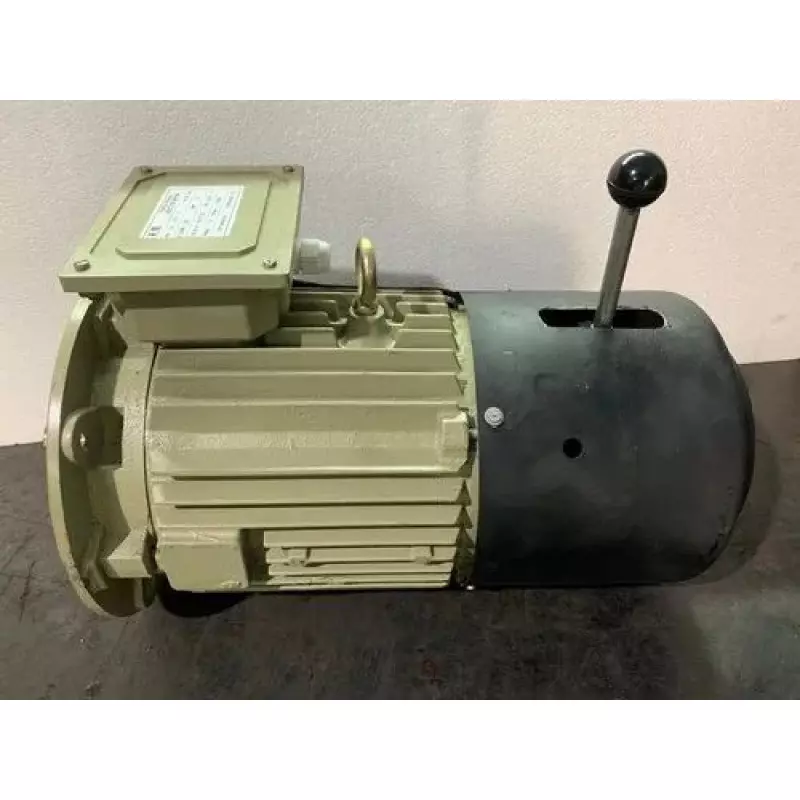
Details of AC DC Electric Brake Motor
We work as a reliable AC DC electric brake motor maker serving Mangalore. Our focus stays on crafting sturdy, efficient brake motors using skilled hands and solid tech. Heat can lower motor output; understanding temperature derating helps avoid failure and keeps performance steady.
Then there’s the heat. Electric brake motors often run in tough spots where cooling isn’t easy, leading to quicker wear or loss of power if temperatures climb. We pay close attention to these limits during design and testing so our motors keep running longer without surprise breakdowns.
How To Handle Your Brake Motor
Routine Checks: Look for wear on linings and coil resistance
Load Matching: Select motors suited for actual working load to avoid overheating
Environment: Avoid dusty or moist places that may harm motor parts over time
Cooling Options: Add fans or vents if used in closed machines to manage temperature better
The workflow for choosing and keeping an electric brake motor involves clear steps from selection based on specs through routine monitoring. This practical process cuts downtime risks plus extends gear life.
Certain product features matter here: our brakes come with fail-safe designs that grip tight when power cuts out, stopping load instantly. They fit foot-mounted or flange-mounted setups, matching common industrial needs seen in cranes or conveyors around Mangalore’s factories.
The choice between AC and DC models depends on application demands; DC brakes offer quick response while AC types handle heavier cycles more smoothly but need extra care about current spikes (something many overlook).
You might find similar products elsewhere but comparing specs like torque rating, liner material quality (heavy-duty asbestos-free options), coil durability, plus vendor support makes a big difference when uptime matters most.
Offered Product
